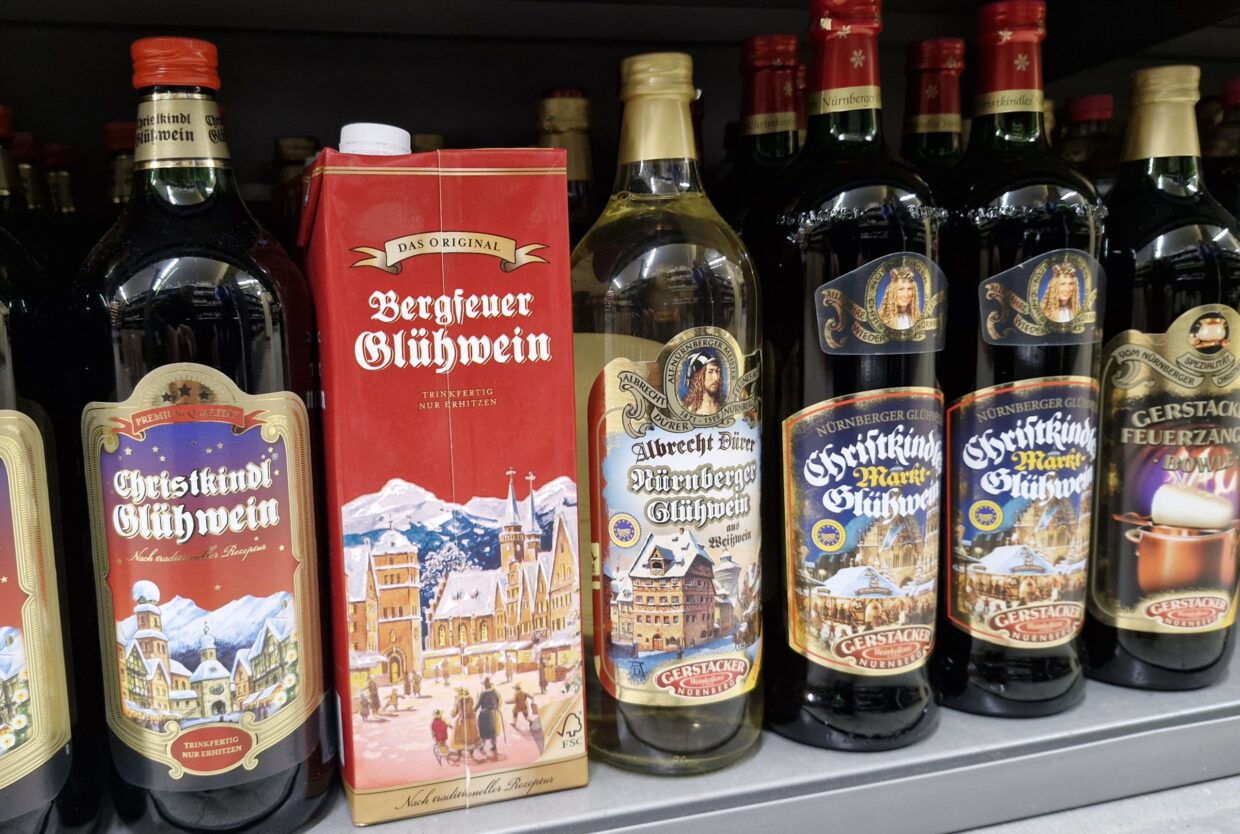
It’s hard to avoid mulled wine in the run-up to Christmas: at the Christmas market, in supermarkets, in restaurants and even at the gas station – mulled wine is available everywhere.
If that weren’t enough, the topic also pops up in countless publications and radio and television reports. Whether in lifestyle magazines, guidebooks, test magazines or on the websites of consumer advice centers, it is a popular topic that can be illustrated well with atmospheric Christmas decorations. The good old days with romantic half-timbered houses, kind grandpas and angelic maidens are returning. As if mulled wine had always been there.
But mulled wine, as we know it today, is a young drink. Mulled wine first appeared at Christmas markets in southern Germany and Bavaria in the mid-1960s. The Nuremberg schnapps distillery Gerstacker claims to have been the first to offer mulled wine at the city’s traditional Christmas market. Its predecessors as a hot drink for high society were the legendary Feuerzangenbowle or a hot punch made from fruit juices and spirits.
Mulled wine only began its triumphal march during the years of the economic miracle, and soon producers were bottling and marketing mulled wine as a ready-to-drink beverage. The growing food markets were eager for products to heat up the busy Christmas period with inexpensive mood enhancers. It was mostly fruit juice producers or distillers who devoted themselves to the subject. It is estimated that 60 to 80 million liters of mulled wine are consumed in Germany during the season, which runs from mid-October to New Year’s Eve. Sales plummet after the New Year. What has not been sold by then turns out to be a slow seller, as experienced merchants know.
The largest producer, with over 20 million bottles of mulled wine, is the Nuremberg-based company Gerstacker, which has long been involved in disputes with competitors and imported wineries over the naming rights to mulled wine. Gerstacker’s best-known mulled wine today is called “Nürnberger Christkindles Markt-Glühwein mit dem Zusatz g.g.A”, which may be made from different origins but, like the “Thüringer” mulled wine, is considered a wine with a protected geographical indication.
There are many other hot drinks from the same company, including cherry and blueberry mulled wine or mulled wine with mead as one of the other variants. Non-alcoholic mulled wine and organic mulled wine are also part of the range, alongside punch, cider, Federweißer, sangria and many other mixed drinks. In addition to the Gerstacker brand, the products are also available under other names, which are more or less private labels of various retail chains.
For years, the major producers have also included a number of wineries such as Peter Mertes from Bernkastel-Kues with his Rotwild Glühwein or the Hechtsheim winery in Mainz, which today belongs to the empire of the French winery and vineyard group Grands Chais de France.
The Hechtsheim winery offers a Nuremberg Rauschgold Engel mulled wine from the Nuremberg Christmas market, also with the PGI label, which at first glance looks quite similar to the Gerstacker mulled wine. The market is highly competitive and producers are aware of the importance of Christmas symbols and decorations. The Germans’ hearts are warmed at Christmas time and so the Hechtsheim winery also quotes the story on its website of the “skilled Nuremberg master craftsman who created the first example of the tinsel angel many hundreds of years ago – as the image of his beloved daughter. At night, his child appeared to him as an angel in a dream, wearing a robe of gold, velvet and silk. The next day, the father recorded this vivid memory: “The tinsel angel was born”.
The Nuremberg Chirstkindl in the shape of pretty blonde women still delights visitors to the Christmas market of the same name, which is considered by many to be the model for the 4,000 or so Christmas markets that now open in Germany every year. Christmas markets are a real German export hit and, like the Oktoberfests celebrated around the world, are now enriching the culture in other countries.
Like mulled wine from the Hechtsheim winery, Gerstacker’s Nuremberg Christkindles market mulled wine is made with natural flavors or extracts thereof. Natural flavors can be obtained from plant, animal or microbiological source materials using physical, enzymatic and microbiological processes.
The EU Flavorings Regulation sets out the legal requirements and so natural flavors must occur in nature, but this does not mean that the flavors used in the food industry come solely from the fruits or spices mentioned. Over 10,000 flavors are known to food chemists today and probably more than 2,500 flavors are used in the food industry.
Legally speaking, mulled wine is not a trivial product, even though almost every consumer should know what is needed to make home-brewed mulled wine: a decent wine, sugar, cinnamon and cloves as well as orange and lemon slices. The mulled wine can be further flavored with vanilla pods and a variety of other spices such as star anise, nutmeg or cardamom. The Gerstacker winery, for example, claims to use around 25 spices for its mulled wine according to a secret, time-honored tradition.
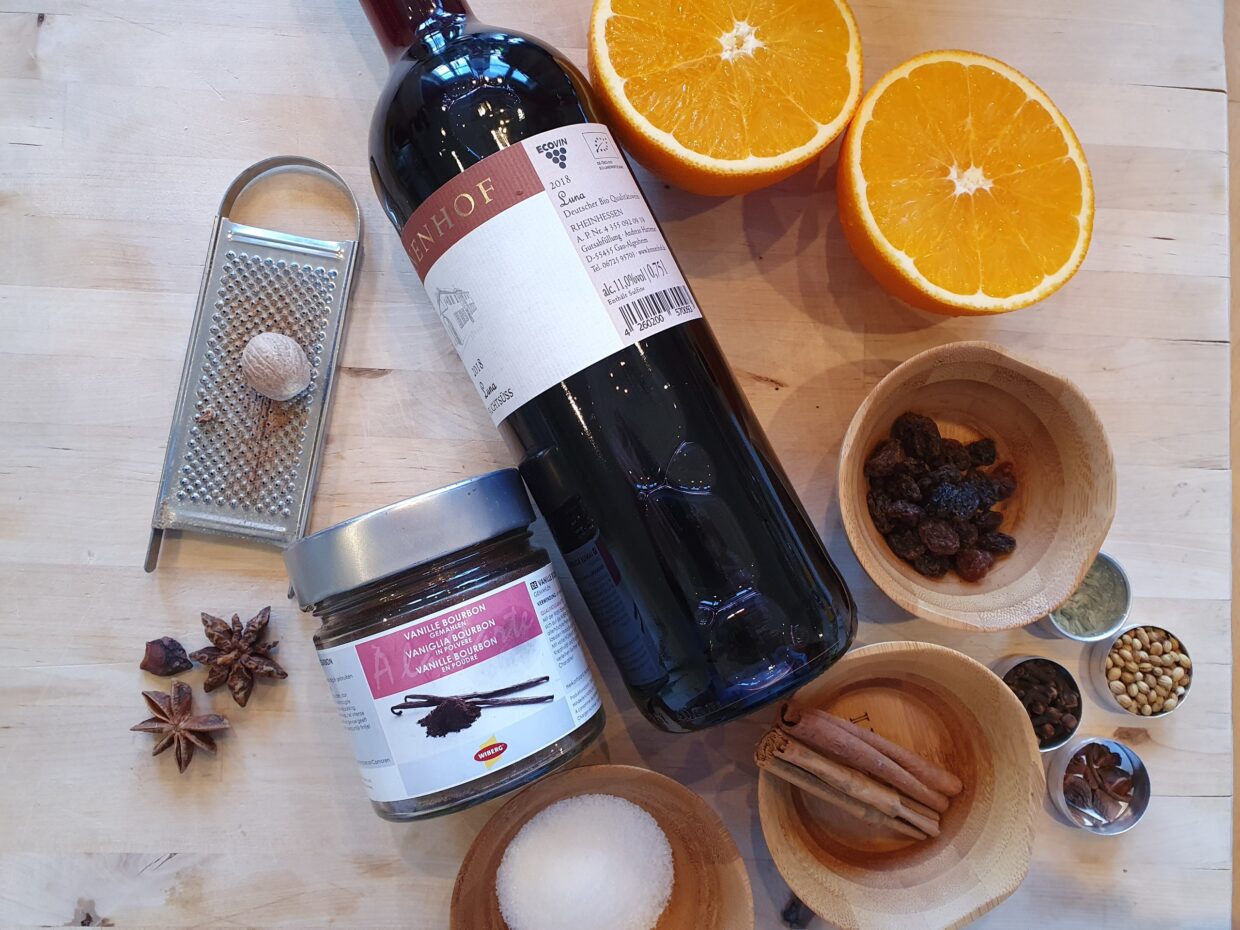
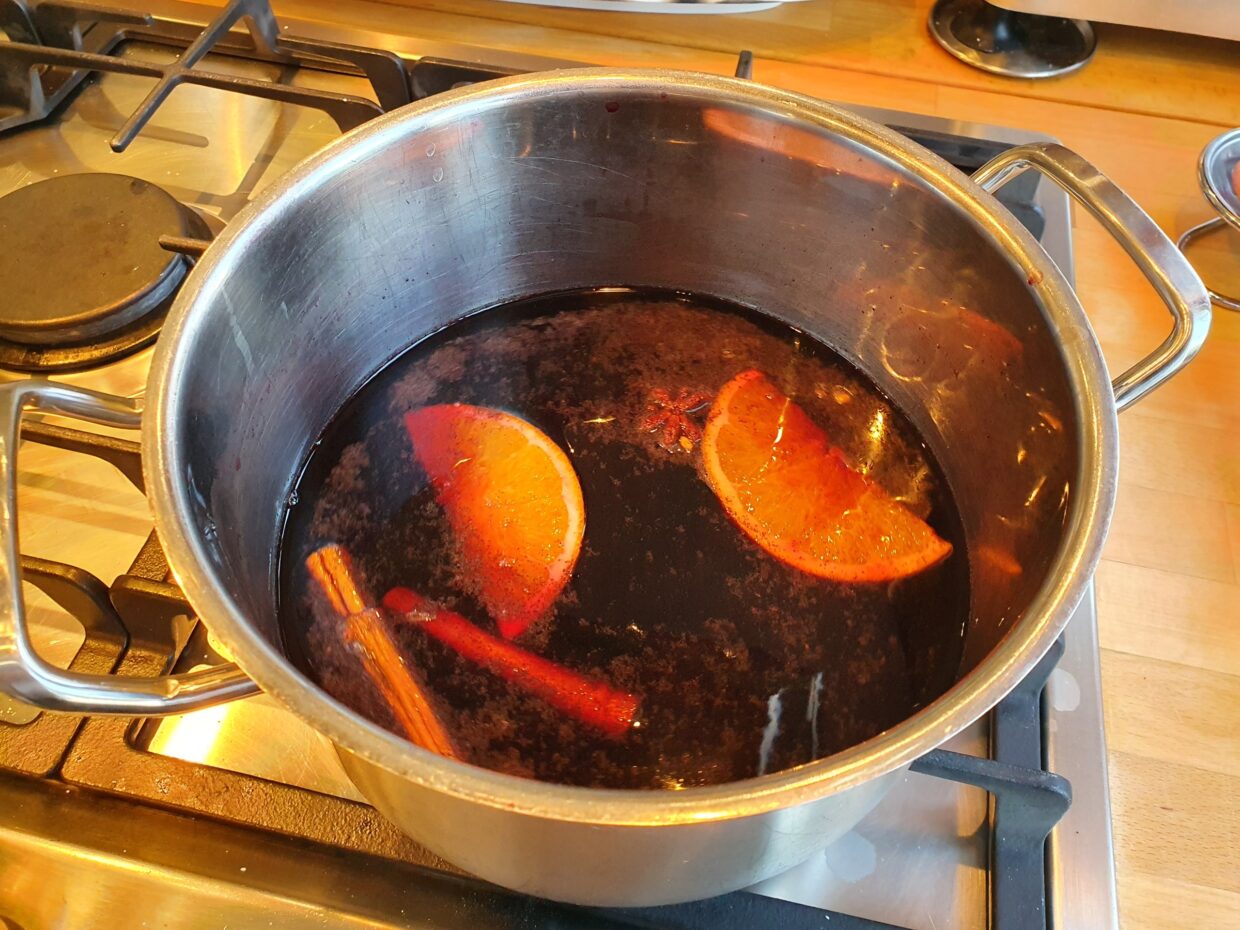
Homemade mulled wine, copyright Michael Kugel
In wine law, mulled wine is defined as an “aromatized wine-based beverage” that contains at least 7% and less than 14.5% alcohol by volume. The alcohol content of the finished products is usually 10 to 11 percent alcohol by volume. Mulled wine is red, if white wine is used, the term “mulled wine made from white wine” must be used.
The addition of alcohol and water is prohibited. Mulled wine can be sweetened with grape must and/or sucrose or other natural sugars. Sorbic acid and sulphurous acid up to 200 mg/l may be added as preservatives, which must be stated on the label, as well as the ingredients and nutritional information. These have been mandatory since December 8, 2023 and can usually be accessed via a QR code on the label. The sugar content is not without its usual 80 to 100 grams of sugar per liter, making mulled wine a real calorie bomb. If you want, you can specify the flavor on the label. This ranges from “extra dry” with less than 30 grams per liter of sugar to “sweet” with over 130 g/l.
In addition to the large producers, many wineries and winegrowers naturally also want to get a slice of the hot mulled wine market. If the wine is made from own products in the “labeling company”, the product may be offered as “Winzerglühwein”. As the aromas used in mulled wine can easily settle in the bottling plants, equipment and hoses of winegrowers and wineries, most businesses shy away from bottling in their own cellars and commission wineries or contract bottlers to fill the bottles. The risk that even traces of mulled wine aromas can be detected and make the contaminated wines unfit for consumption is causing many winegrowers to refrain from bottling mulled wine themselves.
Comment
There is a lot of criticism of the massive flavoring of many foods. Many products would be inconceivable without synthetic flavors, including both artificial and nature-identical flavors. The relevant industry offers a wide range of flavors and flavor enhancers in the form of natural and synthetic products. Just think of the many vanilla, raspberry and strawberry yogurts for which neither the fruit nor the flavors of the expensive vanilla pod are used, but which exude an intense aroma. Artificial and synthetic vanilla flavors are probably the most widely used flavors.
From a young age, people today are accustomed to massive aromatization, be it food and luxury foods, personal care products, medicines or even textiles and everyday consumer goods. The effect of many flavors on the human organism is in many cases unknown and unresearched, and the labeling of products is still a closed book. The criticism that we all too easily surround ourselves with a multitude of chemical substances and compounds and absorb them into our bodies without knowing what effect they have cannot be dismissed out of hand.
Hermann Pilz
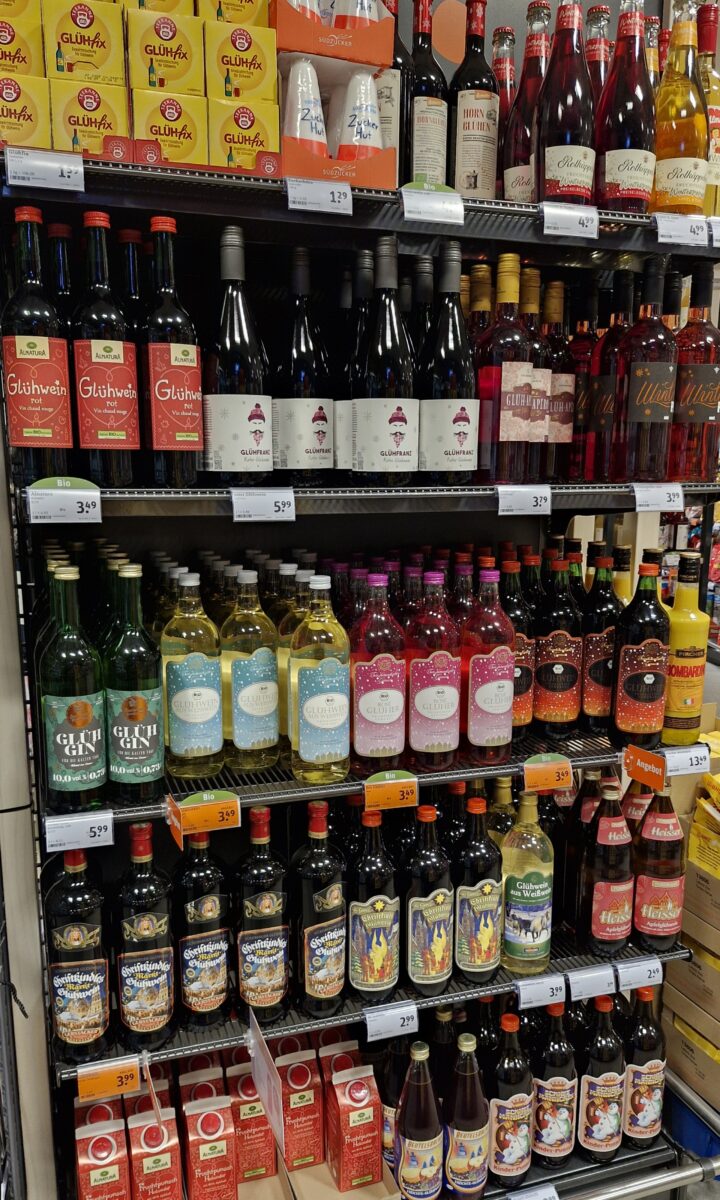
The range of winter hot drinks is extensive. The popular branded mulled wines usually cost less than 3 euros in the shops. Mulled wines from wineries often cost twice as much.
Image rights Michael Kugel